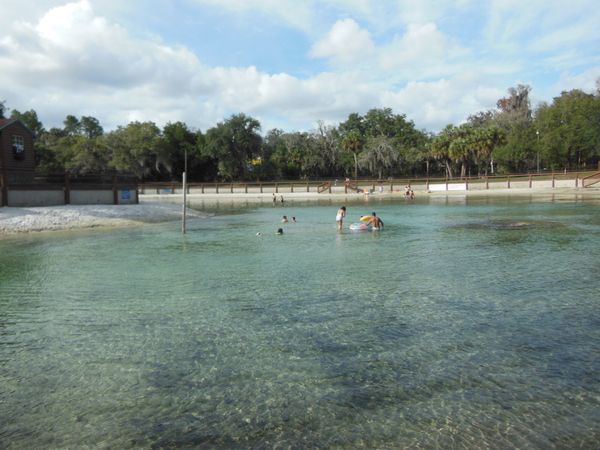
What Every Florida Kayaker Needs to Know: 2026 Rules, Safety Requirements, and What's Changed

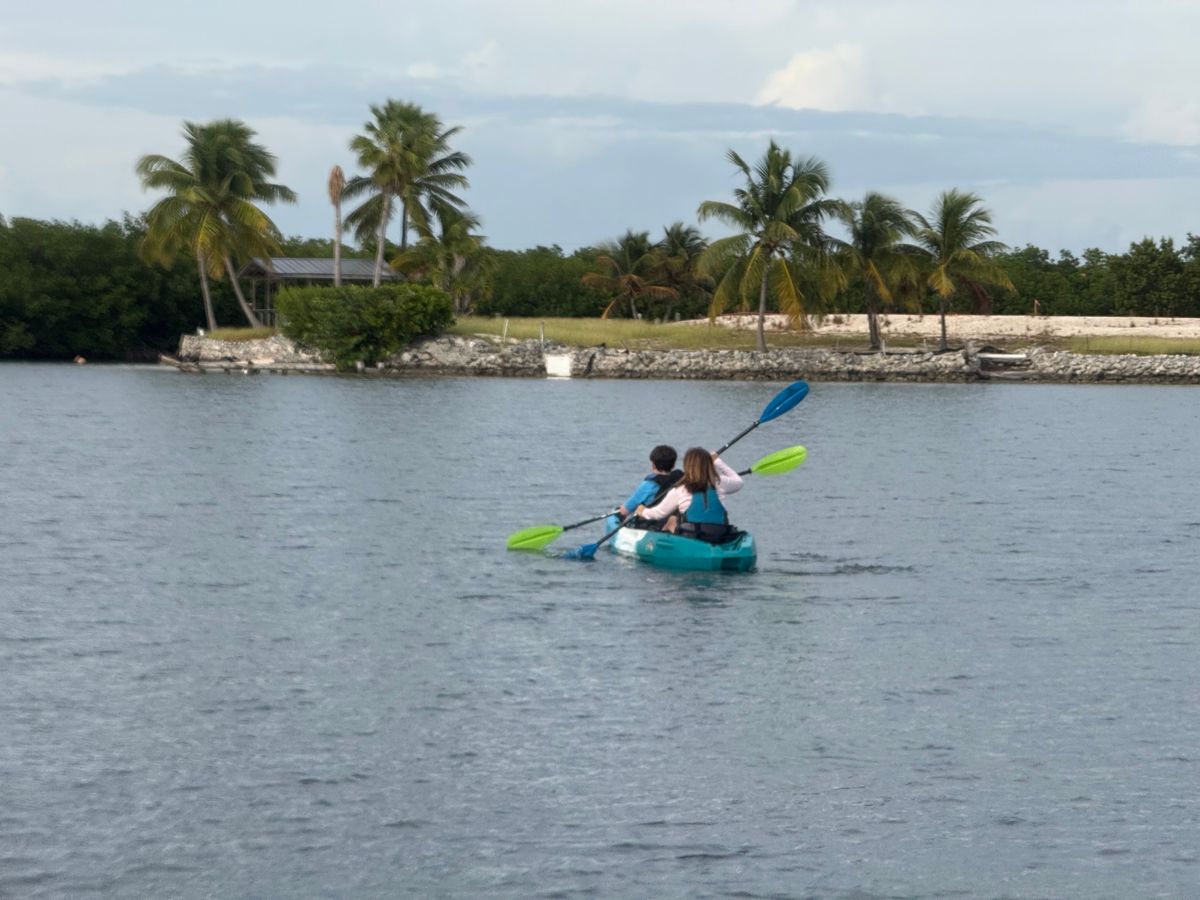
Florida is one of the best states in the country for paddling. From crystal-clear springs in the Ocala National Forest to the mangrove tunnels of the Ten Thousand Islands, there's no shortage of incredible water to explore by kayak or canoe. But before you hit the water, it's worth knowing exactly what Florida law requires — and what can get you a fine or worse if you're caught unprepared.
Here's a complete rundown of Florida's kayak laws and boating regulations for 2026.
Do You Need to Register Your Kayak in Florida?
Good news: non-motorized kayaks, canoes, paddleboards, and rowing shells do not need to be registered in Florida. The state exempts all human-powered vessels from registration requirements, regardless of length.
The key word is motorized. The moment you attach a trolling motor — even a small electric one — your kayak becomes a motorized vessel under Florida law, and registration with the Florida Fish and Wildlife Conservation Commission (FWC) becomes mandatory. If you're using a motor, you'll also need to display your registration numbers on the hull.
For the vast majority of paddlers heading out on a kayak, canoe, or SUP, registration is simply not a concern.
Life Jacket Requirements
This is where most paddlers run into trouble, so pay close attention.
Florida law requires that every vessel carry at least one U.S. Coast Guard-approved personal flotation device (PFD) for each person on board. These must be the correct size for each paddler, in good serviceable condition, and readily accessible — meaning not buried under gear in a dry bag.
Children Under 6
For younger paddlers, the rules are stricter. Children under the age of 6 must wear their life jacket at all times whenever they are on a vessel that is underway. Having one nearby is not enough — it must be on and properly fastened.
Adults
Adult paddlers are not legally required to wear a PFD, but they must have one on board and accessible. That said, FWC and safety experts strongly recommend wearing yours, especially in fast-moving water, when paddling alone, or in open coastal waters where conditions can change quickly. A PFD you're not wearing can't save your life.
Choosing the Right PFD
Not all life jackets are created equal. Look for a Type III or Type V PFD for kayaking — these are designed for active water sports and offer good mobility. Make sure it fits snugly and is rated for your body weight.
Required Safety Equipment
Beyond life jackets, Florida law requires all vessels — including non-motorized kayaks — to carry specific safety gear.
Sound-Producing Device
You must carry a sound-producing device capable of being heard from at least half a nautical mile. A simple, inexpensive whistle attached to your PFD satisfies this requirement and is the easiest solution for kayakers.
Lighting for Low-Visibility Conditions
If you're on the water between sunset and sunrise, or in conditions of reduced visibility such as fog or heavy rain, you must display a white light visible from all directions. A small waterproof LED light that can be mounted to your kayak or clipped to your gear will cover this requirement.
This rule catches a surprising number of paddlers off guard — early morning fishing trips and sunset paddles both fall within these hours, so a light is essential if you're heading out at dawn or dusk.
Boating Under the Influence (BUI)
Florida takes impaired paddling seriously. Operating any vessel — including a kayak or canoe — while under the influence of alcohol or drugs is illegal under Florida's BUI laws. The penalties mirror those for driving under the influence and can include fines, jail time, and a permanent record.
The legal blood alcohol limit is 0.08%, the same as for driving. FWC officers actively patrol Florida waterways and can stop and board any vessel to check for compliance.
Right of Way and Navigation Rules
Florida paddlers must follow the U.S. Inland Navigation Rules. The most important ones to know:
- Stay to the right in channels and marked waterways, just like driving on a road
- Yield to vessels with limited maneuverability — large motorized boats in narrow channels cannot easily avoid you, so give them plenty of space
- Never anchor or stop in a marked navigation channel
- Kayakers generally have right of way over motorized vessels in open water, but don't count on it — defensive paddling is always the smarter play
Florida-Specific Rules to Know
Manatee Zones
Much of Florida's coastal and inland waterways include designated slow-speed or no-wake zones to protect manatees. While these zones primarily regulate motorized vessels, kayakers should be aware of them for their own safety — sharing narrow channels with large boats moving at reduced speed is still a hazard. Give manatees a wide berth if you encounter one, and never chase or attempt to touch them. Harassing a manatee is a federal offense.
Springs Etiquette and Rules
Florida's freshwater springs are some of the most ecologically sensitive paddling destinations in the state. Many springs — including popular ones like Ichetucknee, Blue Spring, and Rainbow Springs — have specific rules beyond general boating law:
- No motorized vessels in most spring runs
- Stay on designated watercraft launch areas — launching or dragging your kayak across vegetation is prohibited
- No swimming in certain areas during manatee season
- Carry out everything you bring in — springs have zero tolerance for trash and food waste in the water
Always check the specific rules for the spring or state park you're visiting before you go. Rules vary by location and can change seasonally.
Quick Reference Checklist
Before you head out on any Florida water, run through this list:
- [ ] One properly-sized, USCG-approved PFD for every person on board
- [ ] Children under 6 are wearing their PFD
- [ ] Sound-producing device (whistle) accessible on your person or boat
- [ ] White light available if paddling before sunrise or after sunset
- [ ] Sober and alert — no BUI
- [ ] Familiar with local rules for your destination (springs, manatee zones, park regulations)
- [ ] Float plan shared with someone who isn't on the water with you
The Bottom Line
Florida's kayak laws are straightforward and easy to follow with a little preparation. The requirements — a life jacket per person, a whistle, and a light for low-visibility conditions — are minimal and inexpensive. The bigger risks are the ones paddlers take when they skip the basics: heading out without a PFD, paddling after dark without a light, or ignoring local rules in ecologically sensitive areas.
Knowing the rules before you launch means you can focus on what actually matters — enjoying some of the most spectacular paddling in the country.
For the most current regulations, visit the Florida Fish and Wildlife Conservation Commission (FWC) website.
Keywords: Florida kayak laws 2026, Florida paddling regulations, kayak safety Florida, Florida boating rules, kayaking Florida springs, do you need to register a kayak in Florida